Skip to content
BucacceWines
Vino naturaleAnnata corrente — B21
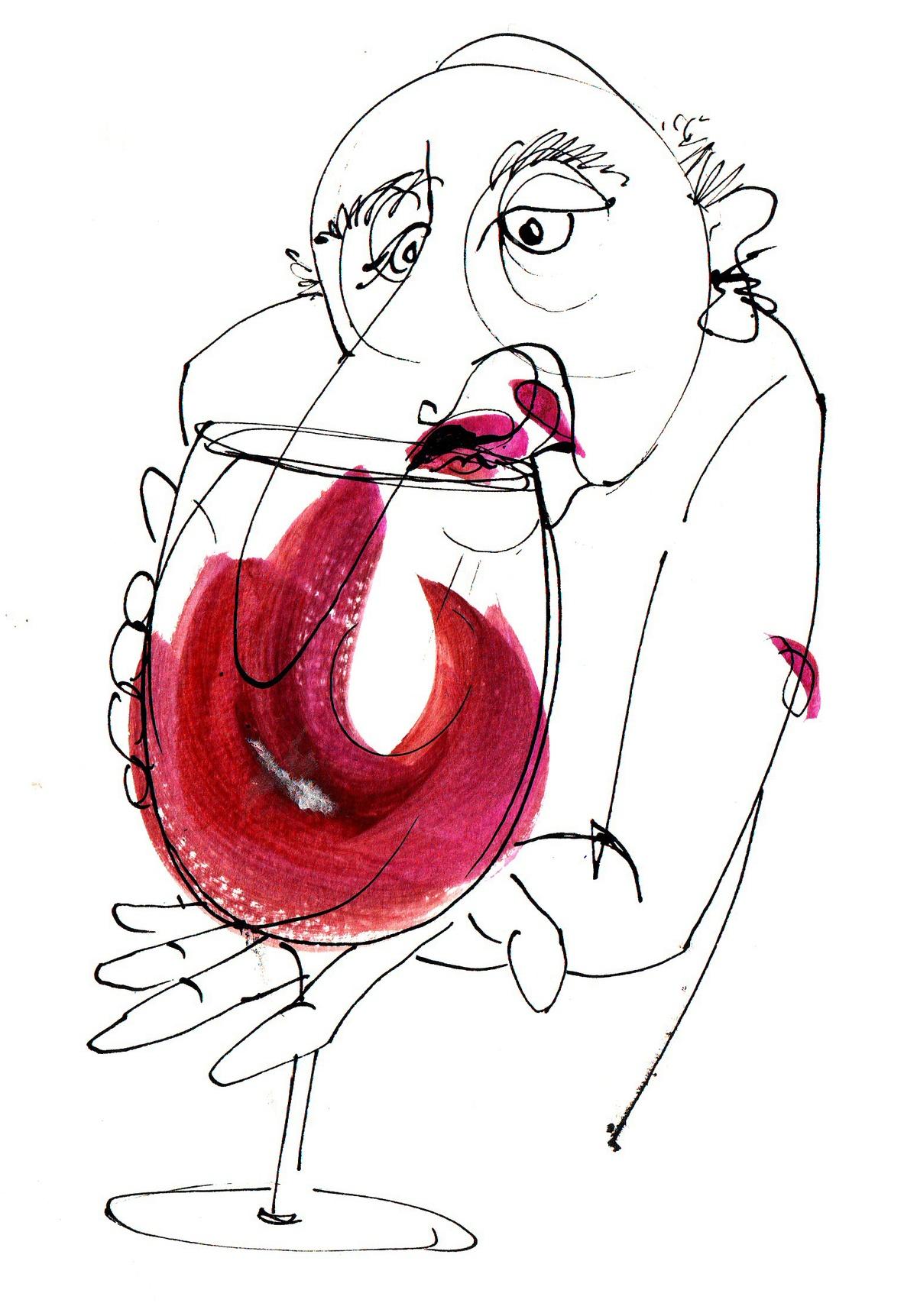
Ink drawing of a man with his nose deep in a very large glass of red wine

Fromfriendshipto vineyard.

A friend planted a vineyard on a hill called Bucacce. When he was gone, somebody had to pick the grapes. We've been learning to make his kind of wine ever since — organic, by hand, nothing added.

the story.

01 / 04
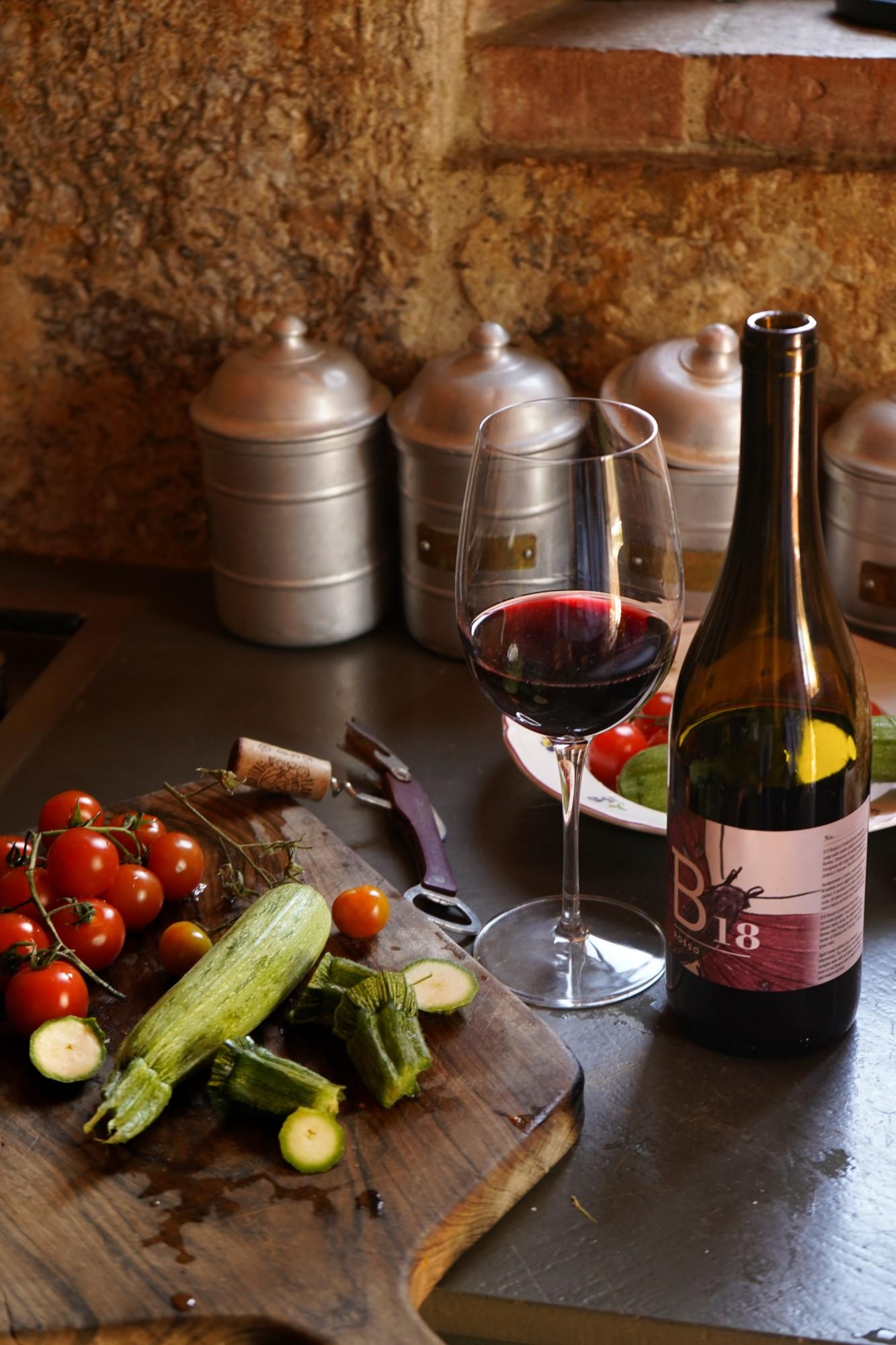
An open bottle of B18 Rosso and a poured glass on a kitchen counter, beside cherry tomatoes and courgettes on a wooden board
Fig. 1 — B18 Rosso, open in the kitchenBucacce

We didn't set out to make wine. We set out to keep a promise to a friend.

Bucacce was Armando's. He planted the vines himself, decades ago, on a hill where Umbria leans into Tuscany, and he made wine the way he did everything: patiently, by hand, with no performance at all. He poured it from bottles without labels for whoever was at the table. Usually that included us.

He died in spring, as the vines were breaking bud. A vineyard does not stop for that. Filomena asked whether we might help bring in the harvest, and we said yes before we understood the question.

We knew how to drink wine, not how to make it. We learned from the neighbours, from the cellar, from our own mistakes and from the hill. What we bottle is quieter than his, but it comes out of the same ground.

“A season does not pause for grief. The vines needed hands, and ours were the ones there.”

B is for Bucacce. The number is the year. Every year is a chapter.

  1. 2018

    The first harvest we brought in ourselves.

  2. 2021 — now

    The current release. Rosso and Bianco.

  3. Next

    Still on the vine.

the wines.

02 / 04

One red, one white, and a new drawing on the label every harvest.

We make what the hill gives us and not very much of it. Nothing is added to flatter the wine and nothing is taken out to make it easy. When a vintage is gone, it's gone.

N° 01 — Vendemmia 2021

Red — Sangiovese

Wild cherry, dried herbs and the cool stone of the hill it grew on. A red that would rather be drunk than discussed.

On the label — A moth with wine-red wings, drawn in crayon and pencil.
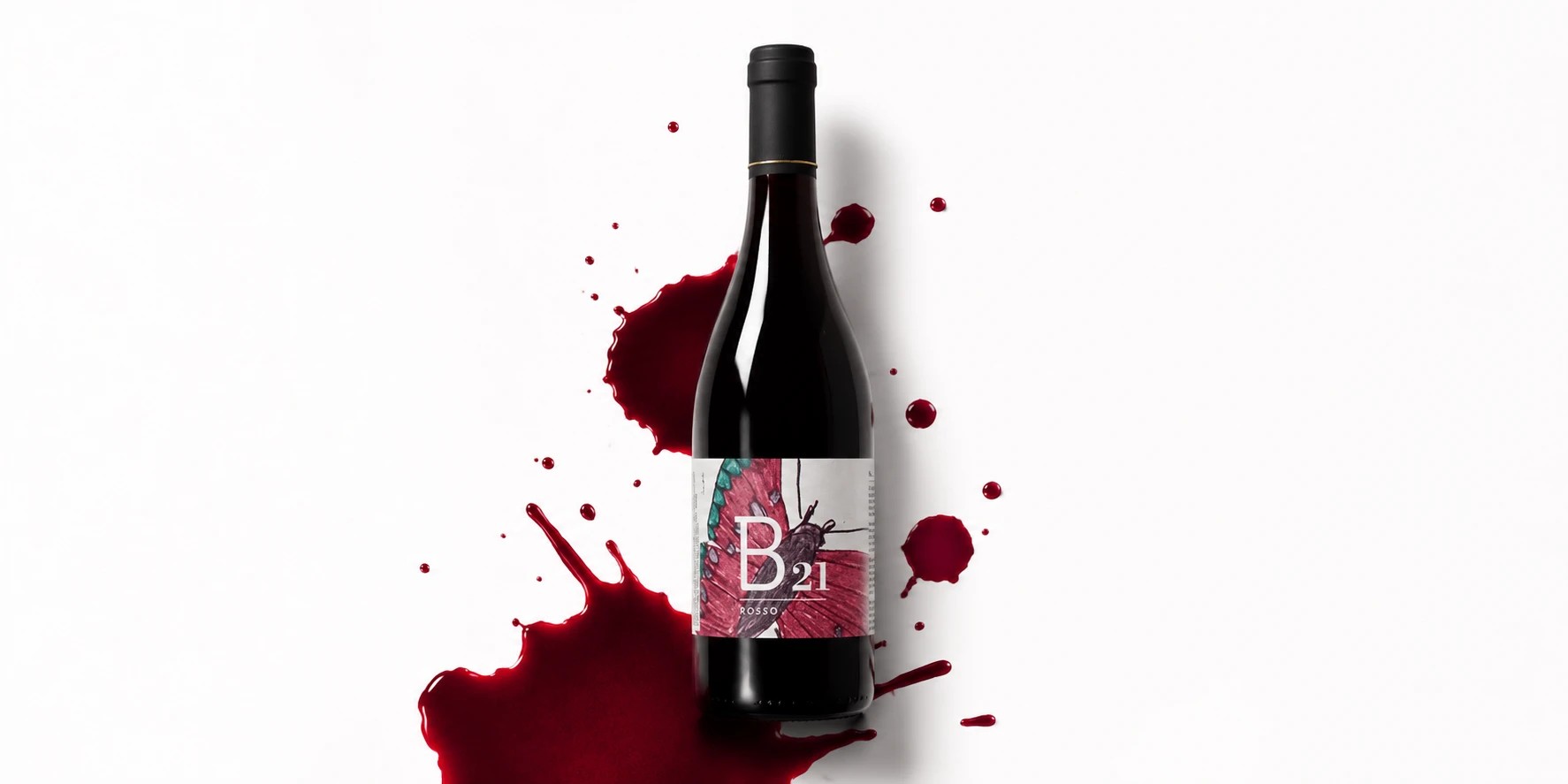
A bottle of B21 Rosso lying in a splash of red wine — the label shows a crayon moth with wine-red wings
Sangiovese
90%
Ciliegiolo
10%
Alcohol
13.5% vol.
Serve at
16–18 °C
Made
≈ 4,200 bottles
Colour
Clear ruby, a little garnet at the rim.
Nose
Wild cherry, dried thyme, blood orange, warm stone.
Palate
Bright and savoury, fine chalky tannins, a long red-fruit line.
At the table
Pici with ragù, grilled lamb, aged pecorino — or tomatoes, bread and oil.

N° 02 — Vendemmia 2021

White — Trebbiano & Grechetto

Amber in the glass. Quince, chamomile and salt, with the gentle grip of a white that stayed a while on its skins.

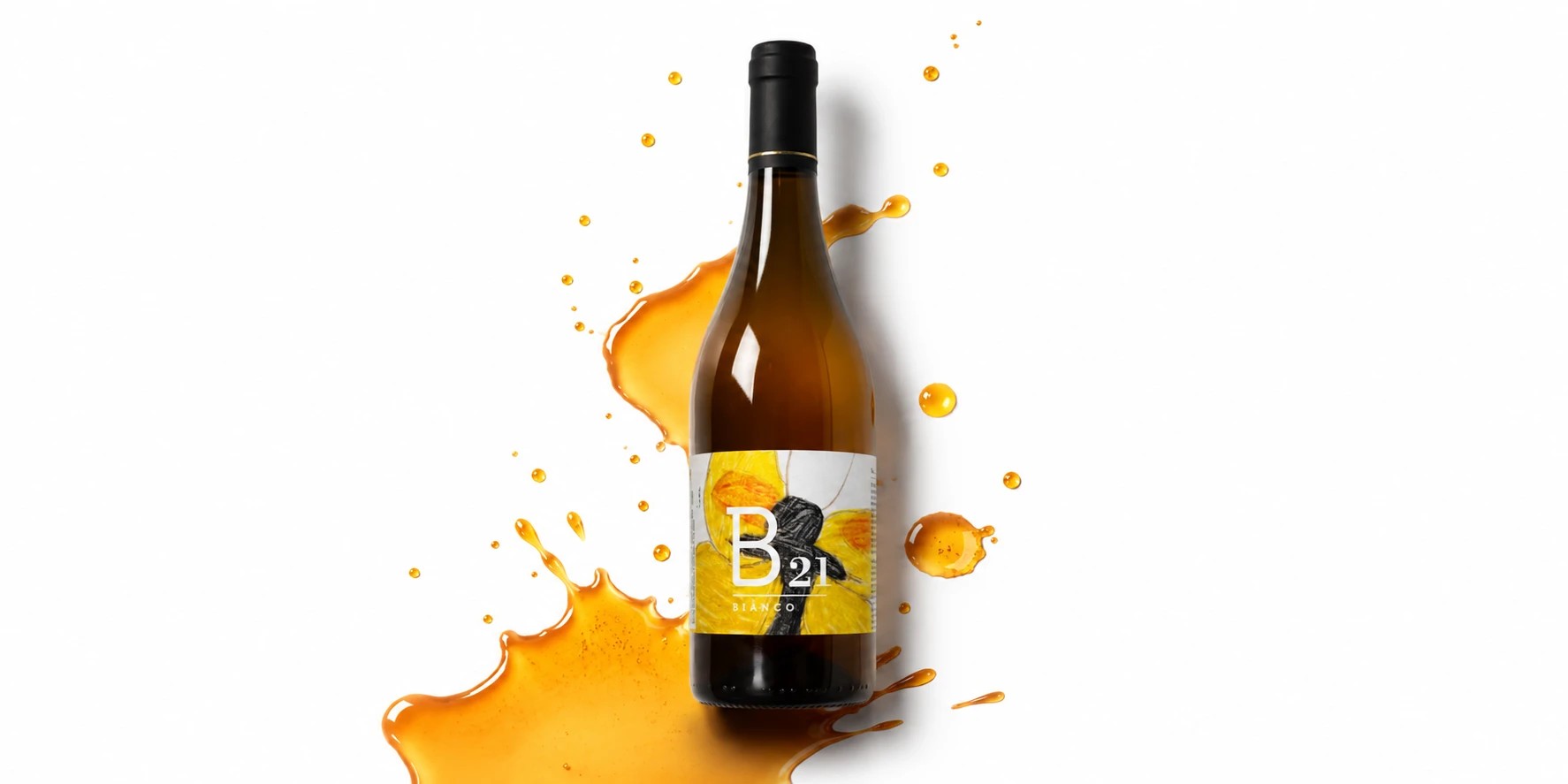
On the label — A yellow flower with a visitor on it, drawn in crayon.

A bottle of B21 Bianco lying in a splash of amber wine — clear glass, the label shows a yellow crayon flower
Trebbiano
60%
Grechetto
40%
Alcohol
12.5% vol.
Serve at
10–12 °C
Made
≈ 2,600 bottles
Colour
Amber gold, lightly hazy. It is meant to be.
Nose
Quince, ripe pear, chamomile, dried orange peel.
Palate
Textural and saline, soft skin grip, orchard-fruit weight.
At the table
Chickpea soup, roast chicken with lemon, fresh ricotta with oil and pepper.

the land.

03 / 04

A few hectares on the seam between two regions.

High enough for cold nights, old enough for deep roots. Clay that holds water through August; pale limestone that gives the wines their nerve; river stones left by water that ran here long before any vines.

We farm it organically and by hand. Cover crops between the rows, olive trees at the edges, no herbicides, and no shortcuts borrowed against the future.

Where
Umbria / Toscana
Altitude
320–390 m
Soil
Clay, limestone, river stone
Farming
Organic, by hand
Harvest
September, by hand
In the cellar
Wild yeast, old wood

A year on the hill

  1. March – May

    spring.

    The vines wake

    Bud-break arrives with the risk of a late frost. We prune late and green everything by hand, walking the rows more often than the calendar strictly requires. The cover crops between the vines are left to flower.

  2. June – August

    summer.

    Slow ripening

    The heat builds and the work turns quiet — canopy management, patience, and long evenings watching the sky. The altitude keeps the nights cool, which is where the freshness in the wines is made.

  3. September – October

    autumn.

    Harvest

    Everything the year has decided arrives now. We pick a few rows at a time, by hand, in the cool of the morning, tasting our way through the vineyard. It is the busiest and the happiest the estate ever is.

  4. November – February

    winter.

    Rest and reckoning

    The wines sleep in the cellar while we prune the bare vines, one cut at a time, deciding next year's shape. It is the season of accounts — with the land, and with ourselves.

the table.

04 / 04
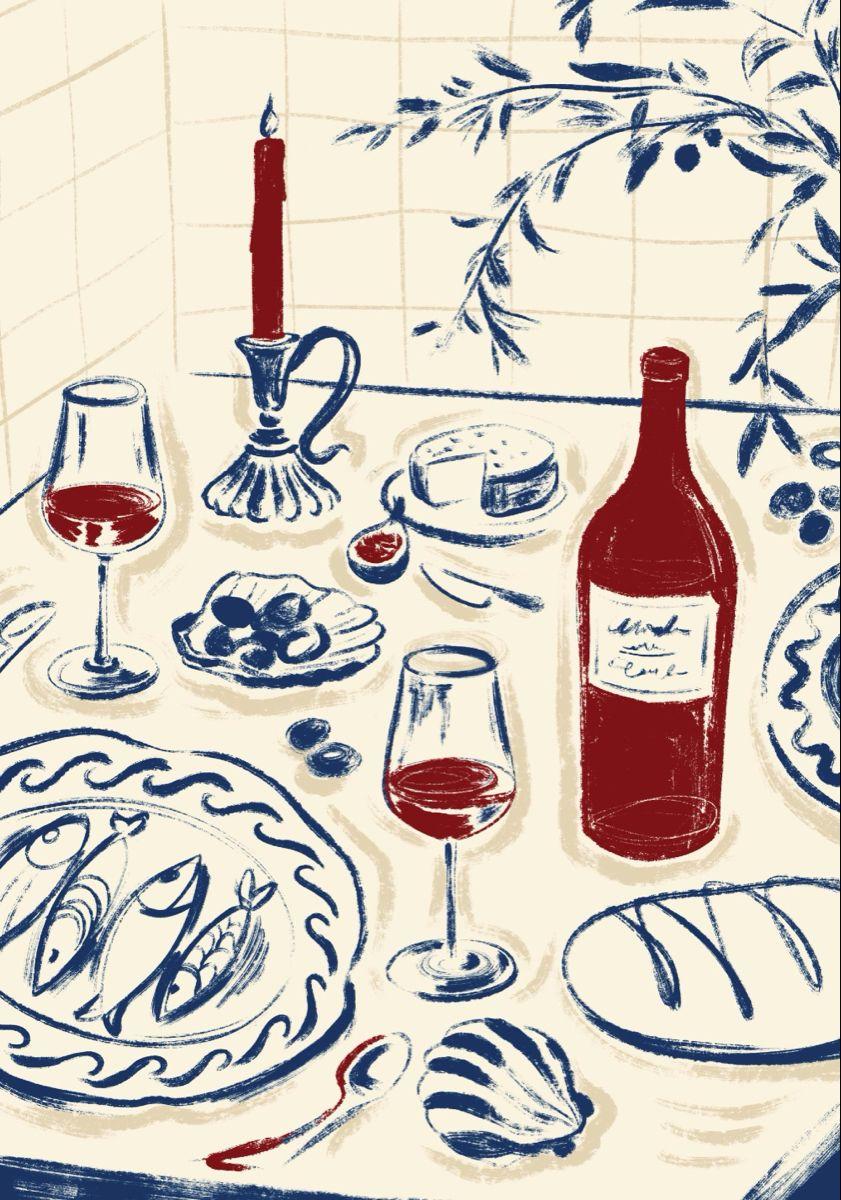
Painted illustration of a table laid with red wine, bread, cheese, olives, a plate of fish and a candle, with an olive branch overhead

The best way to understand a wine is to sit down where it was made.

We're a working farm, not a visitor centre, so we welcome a few people at a time, by appointment. A tasting at the cellar table, a walk through the rows and — if the hour is right — lunch.

Thursday – Saturday
10:00 – 18:00
Sunday
11:00 – 16:00
Monday – Wednesday
Closed

Write to us

say ciao.

A visit, a few bottles, a question about the wines, or nothing in particular. We read everything ourselves, so in harvest a reply can take a day or two.

Instagram
@bucacce
Where
Località Bucacce, Umbria